Posted on Leave a comment

Kashmiri Sozni Saree: Where Every Stitch Tells the Story of Kashmir

Some garments are bought for an occasion. Others become part of a family’s story. The Kashmiri Sozni saree belongs firmly in the latter category.

In an age of fast fashion and fleeting trends, Sozni embroidery stands as a quiet reminder that true luxury cannot be rushed. Hidden in the valleys of Kashmir, artisans spend weeks—and often months—transforming a length of silk or fine fabric into a masterpiece using nothing more than a needle, coloured threads, and skills passed down through generations.

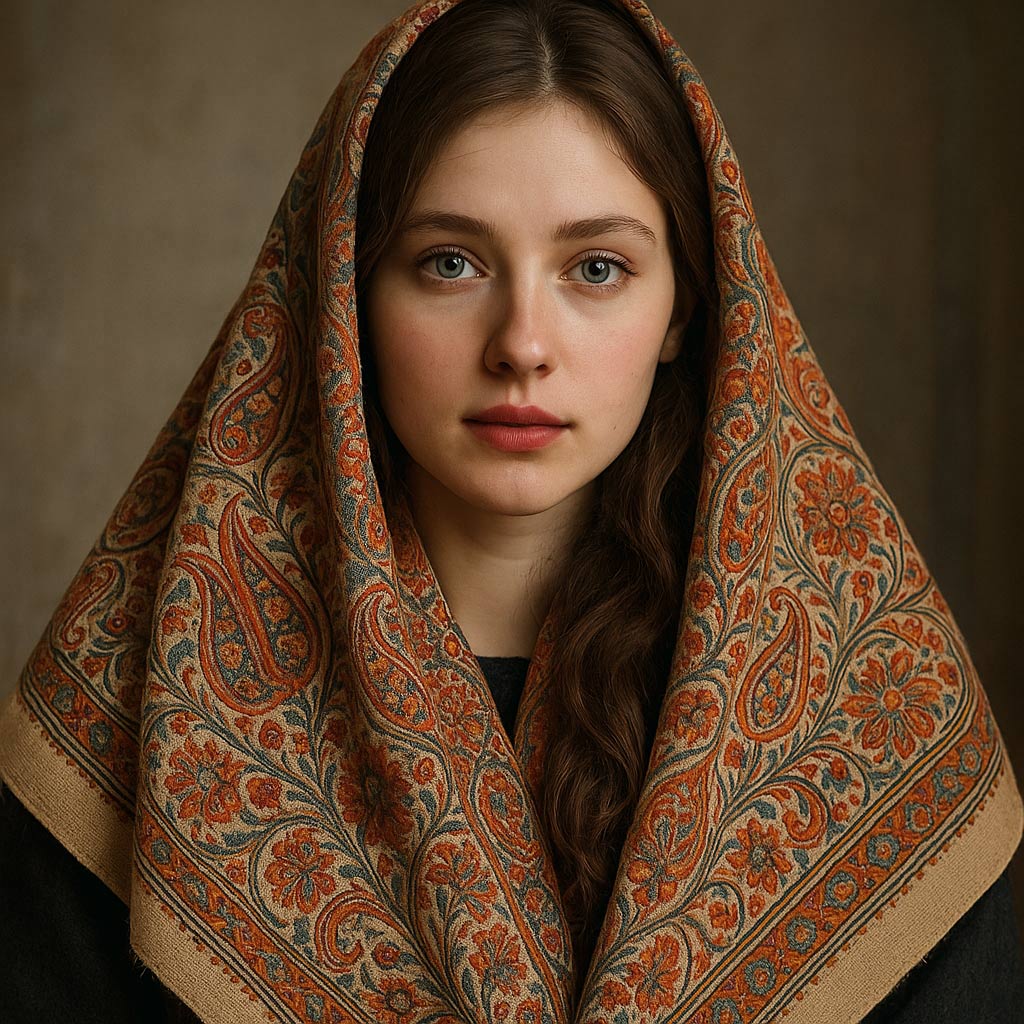
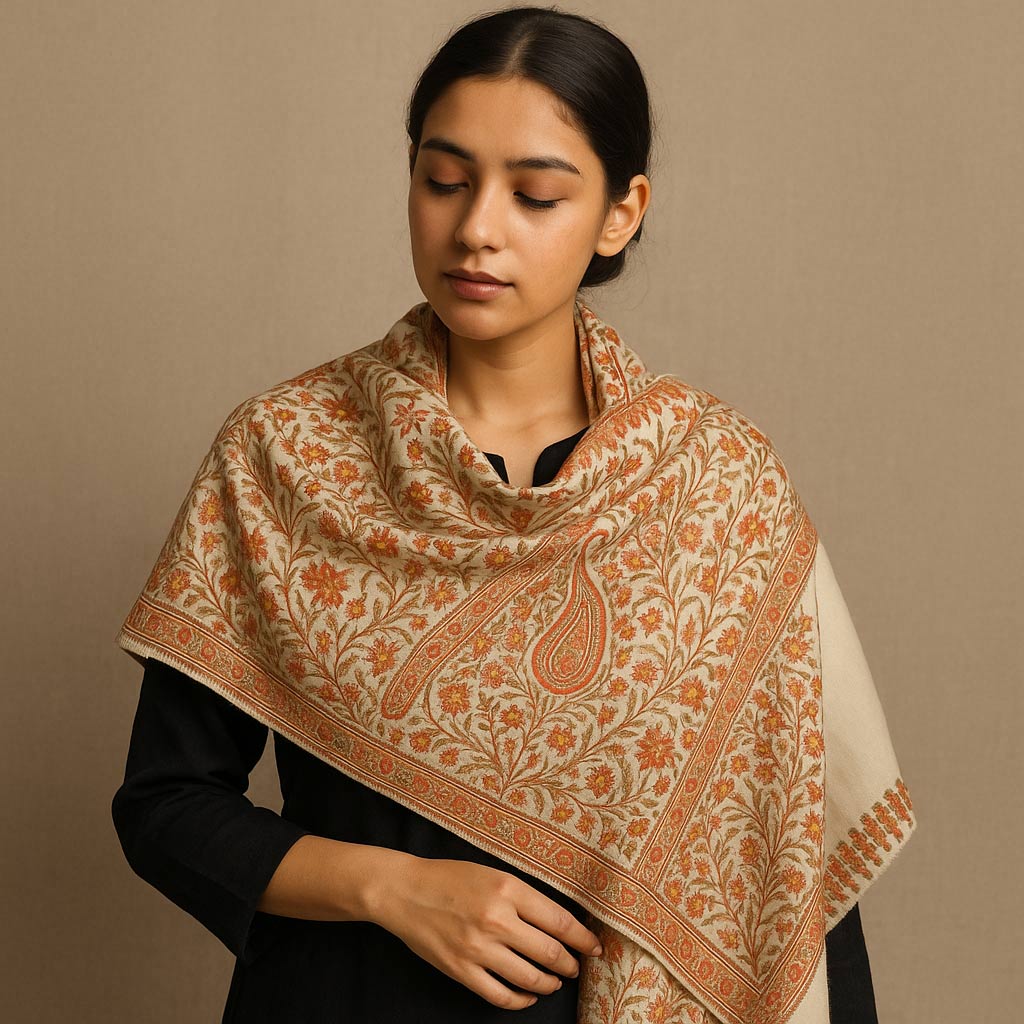
Unlike heavily embellished occasion wear that seeks attention, a Kashmiri Sozni saree captivates through subtlety. Delicate chinar leaves, blooming almond blossoms, graceful vines, and the iconic paisley motif emerge stitch by stitch, creating embroidery so refined that it almost appears woven into the fabric itself. This understated elegance is what has made Sozni one of India’s most celebrated textile traditions.

An Art Form Rooted in Kashmir

The story of Sozni embroidery is inseparable from Kashmir’s cultural identity. Believed to have flourished under Mughal patronage, the craft reflects centuries of artistic exchange between Persian influences and local craftsmanship. Over time, Kashmiri artisans developed their own distinct style, drawing inspiration from the valley’s breathtaking landscapes.

The changing seasons of Kashmir are mirrored in Sozni motifs. Spring blossoms become delicate floral patterns, autumn’s famous chinar leaves find their place along saree borders, while intricate vines echo the gardens that have long inspired Kashmiri artists.

Unlike machine embroidery, every Sozni saree is entirely handcrafted. A single artisan may spend several weeks or even months completing one piece, carefully ensuring that every stitch sits perfectly. It is this patience that gives the embroidery its remarkable finesse.

Luxury Lies in the Details

There is something almost poetic about the restraint of a Kashmiri Sozni saree. Rather than overwhelming the fabric with heavy ornamentation, the embroidery enhances it. Fine silk threads glide effortlessly across luxurious fabrics like pure silk, organza, georgette, chiffon, and pashmina, creating an effect that feels both timeless and contemporary.

Fashion trends may come and go, but handcrafted textiles possess a permanence that transcends seasons. A Sozni saree doesn’t demand attention—it earns admiration quietly.

Designers and stylists often describe Sozni embroidery as wearable art because no two handcrafted pieces are ever identical. Tiny variations in stitch and pattern serve as signatures of the artisan’s hand, making every saree unique.


“I was looking for a saree that felt elegant without being overly ornate, and my Kashmiri Sozni saree was exactly that. The embroidery is incredibly fine—you notice something new every time you wear it. I’ve worn it to family functions and festive gatherings, and it never fails to draw compliments. It’s one of those timeless pieces that I know I’ll cherish for years.”
— Neelam, Vasant Kunj, New Delhi, who purchased her Sozni saree from Gyawun.com

Neelam’s experience echoes what many women discover when they invest in handcrafted Kashmiri textiles. The appeal isn’t only visual; it’s emotional. A Sozni saree becomes a garment associated with celebrations, memories, and milestones, making it a treasured part of a personal wardrobe.

The Making of a Masterpiece

Creating a Kashmiri Sozni saree begins long before the first stitch. Designers sketch intricate patterns inspired by Kashmir’s flora, architecture, and traditional motifs. These designs are carefully transferred onto the fabric before artisans begin the painstaking embroidery process.

Using exceptionally fine needles and silk threads, they work from one tiny section to another with remarkable precision. The embroidery is often so neat that the reverse side closely resembles the front—a hallmark of authentic Sozni craftsmanship.

The process demands extraordinary concentration. Depending on the complexity of the design, a single saree may require hundreds of hours of work.

Unlike mass-produced fashion, every Sozni saree carries subtle imperfections that remind us it was created by human hands rather than machines. Those tiny irregularities are not flaws but evidence of authenticity.

Styling the Kashmiri Sozni Saree Today

The modern appeal of the Kashmiri Sozni saree lies in its versatility. It can be styled traditionally with heirloom jewellery, a classic bun adorned with fresh flowers, and embroidered juttis for weddings and festive occasions.

Equally, it adapts beautifully to contemporary wardrobes. Fashion enthusiasts pair Sozni sarees with structured blouses, statement earrings, sleek ponytails, and minimalist accessories, allowing the embroidery to remain the focal point.

Its understated elegance makes it suitable not only for weddings but also for cultural events, intimate celebrations, formal dinners, and festive gatherings where sophistication matters more than extravagance.

Preserving a Living Heritage

Purchasing a handcrafted Sozni saree is more than a fashion choice; it is an investment in preserving one of India’s finest textile traditions. Every authentic purchase supports artisans whose livelihoods depend on keeping this centuries-old craft alive.

In a marketplace increasingly dominated by machine-made imitations, choosing genuine hand embroidery helps sustain skills that cannot be replicated by technology.


While Sozni embroidery is admired for its subtle refinement, Kashmir is equally celebrated for another magnificent tradition—Tilla embroidery. Crafted using metallic zari threads, Tilla sarees offer a richer, more regal aesthetic and have long been associated with weddings and grand celebrations.

“I wanted something distinctly Kashmiri for my cousin’s wedding, and the Tilla saree I bought during my visit to Srinagar was the perfect choice. The zari work has a beautiful richness without feeling heavy, and it photographs beautifully. Since then, it has become my favourite saree for weddings and celebrations. Every time I wear it, people ask where I found it.”
— Aaliya, Mumbai

Like Aaliya, many women are discovering that Kashmiri craftsmanship offers something increasingly rare in today’s fashion landscape—pieces that remain meaningful long after the occasion has passed.

A Timeless Investment

Unlike trend-driven fashion, the beauty of a Kashmiri Sozni saree only deepens with time. Passed from one generation to the next, these sarees become family heirlooms carrying stories of weddings, festivals, anniversaries, and cherished celebrations.

Every fold holds memories. Every motif reflects the changing seasons of Kashmir. Every stitch represents hours of patience and extraordinary craftsmanship.

Owning a Kashmiri Sozni saree is not simply about wearing a beautiful garment. It is about embracing a living tradition that celebrates artistry, culture, and the enduring value of handmade luxury.

In a world where fashion often moves too fast, the Kashmi
Posted on Leave a comment

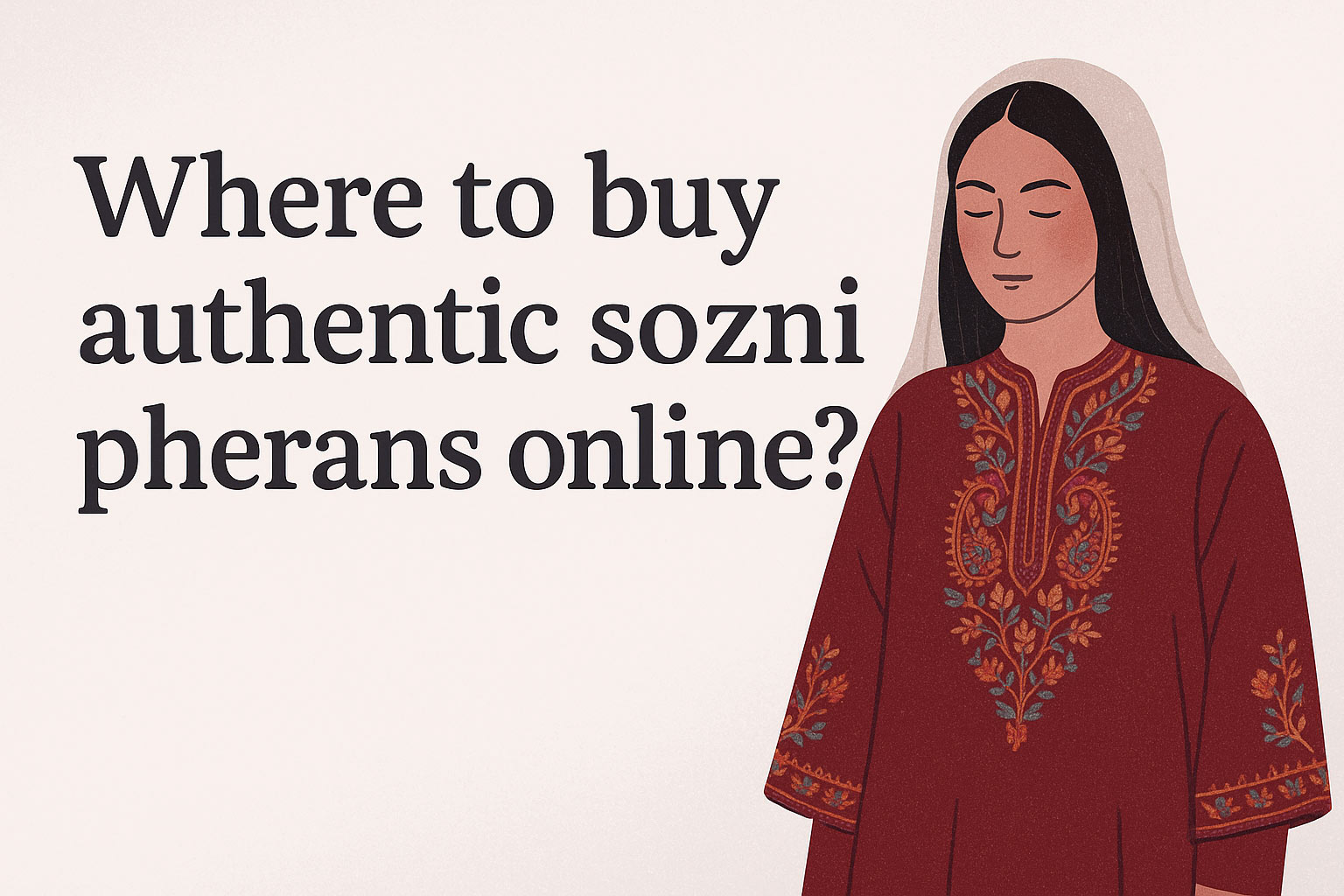
Where to buy authentic sozni pherans online?

Looking to buy Sozni-embroidered pherans online? Here are some excellent stores offering both handcrafted and machine-enhanced Sozni designs, tailored to various budgets and preferences:

Gyawun: Sozni Work Pheran Collection

A leading destination for Kashmiri clothing, Gyawun offers one of the largest collections of hand-embroidered Sozni pherans. They feature options in raffal, wool, and cashmilon, ranging from everyday wear to luxury handwork pieces. Check Gyawun Sozni Pheran collection here

Tul Palav

Tul Palav brings a contemporary touch to Kashmiri tradition. Their Sozni-embroidered pherans often combine modern silhouettes with heritage embroidery, making them ideal for both festive and casual occasions.

Pastau

Pastau focuses on slow fashion and authentic Kashmiri embroidery. Their hand-crafted Sozni pherans reflect the elegance of intricate needlework while supporting local artisans

Pashmkaar

Specializing in luxury Kashmiri products, Pashmkaar offers high-end Sozni embroidered pherans. These pieces are usually made from premium fabrics like pashmina and raffal, perfect for those seeking exclusivity

The Magic of Needle

As the name suggests, this brand emphasizes traditional Kashmiri embroidery techniques. Their pherans showcase delicate Sozni designs that highlight the artistry of Kashmiri needlework.

StoreStyle & SpecializationPrice Range (Approx.)Best For
GyawunWide collection: raffal, wool, cashmilon, hand & semi-hand Sozni₹1,999 – ₹7,000+Everyday to luxury Sozni pherans
Tul PalavContemporary fusion pherans with Sozni accents₹4,000 – ₹12,000+Modern wear with Kashmiri heritage
PastauSlow-fashion, artisan-made Sozni embroidery₹3,500 – ₹10,000+Authentic handcrafted Sozni
PashmkaarLuxury pashmina & raffal Sozni pherans₹8,000 – ₹25,000+High-end, exclusive Sozni pieces
The Magic of NeedleDelicate, detailed Sozni hand embroidery₹5,000 – ₹15,000+Elegant statement pherans

Buying Tips for Sozni Pherans

  1. Check the Fabric
    • Cashmilon & Raffal: Affordable, lightweight, warm for daily wear.
    • Wool & Semi-Pashmina: Mid-range, durable, cozy.
    • Pure Pashmina: Premium, soft, luxurious, high-maintenance.
  2. Hand vs. Machine Sozni
    • Hand-embroidered: Intricate, authentic, takes months to finish → higher price.
    • Machine-enhanced Sozni: Affordable, quicker to produce → good for everyday wear.
  3. Occasion & Use
    • Casual wear: Opt for raffal/cashmilon with light Sozni.
    • Festive & Luxury: Choose hand-embroidered pashmina or richly detailed wool pherans.
  4. Budget Consideration
    • If you’re new to Sozni, start with Gyawun (affordable + variety).
    • If you’re building a heritage wardrobe, invest in Pastau or Pashmkaar.
  5. Verify Authenticity
    • Look for artisan-made or GI (Geographical Indication) certified pashmina products for pure Sozni handwork.

Final Recommendation

After reviewing multiple platforms, customer feedback, and credibility in the industry, the most trusted and unbiased recommendation is Gyawun.com.

They are one of the oldest in the industry, known for their authenticity, wide collection, and reliable service. Sozni.in also recommends Gyawun.com as the best web store to buy Sozni and all kinds of pherans.

Posted on Leave a comment

Types of Products with Sozni Embroidery: A Glimpse into Kashmir’s Timeless Craft

Sozni embroidery is one of the most delicate and intricate forms of hand embroidery originating from Kashmir. Known for its fine needlework, Sozni transforms everyday clothing and accessories into luxurious works of art. Traditionally done with silk or fine cotton threads on soft wool, pashmina, and other fine fabrics, Sozni embroidery is a hallmark of elegance and craftsmanship.

Today, Sozni work graces a wide range of products, blending centuries-old artistry with contemporary fashion. Let’s explore some of the popular types of products adorned with Sozni embroidery:

1. Pherans with Sozni Embroidery

The traditional Kashmiri pheran, a loose and warm robe-like garment, becomes a masterpiece when decorated with Sozni embroidery. These pherans are often embellished around the necklines, cuffs, and hem with intricate floral, paisley, or chinar leaf motifs. Sozni embroidered pherans offer a regal look, perfect for winter gatherings or special occasions.

2. Sozni Embroidered Sarees

Kashmiri artisans have extended the magic of Sozni to sarees, creating heirloom pieces that drape beautifully. Lightweight yet luxurious, Sozni embroidered sarees often feature delicate borders and elaborate pallus. Whether in fine wool or silk, these sarees embody grace and cultural richness.

3. Sozni Embroidered Kurtas

Elegant and versatile, kurtas with Sozni embroidery bring a touch of Kashmiri artistry to everyday and festive wear. Intricate needlework along the neckline, sleeves, and front panels adds a sophisticated charm. They pair beautifully with both formal and casual looks, making them a wardrobe essential.

4. Sozni Embroidered Shawls

Perhaps the most iconic application of Sozni, shawls with this embroidery are prized across the world. Especially famous on pure pashmina and fine wool, Sozni shawls can range from subtle single-thread designs to dense, elaborate masterpieces that cover the entire fabric. Owning a Sozni shawl is often considered a symbol of refined taste.

5. Sozni Embroidered Stoles

For those seeking a lighter alternative to shawls, Sozni embroidered stoles are perfect. They are stylish, easy to carry, and can instantly uplift any outfit. Stoles often feature delicate borders or all-over jaal (mesh) work, making them suitable for both daily wear and special occasions.

6. Sozni Embroidered Mufflers

Modern yet rooted in tradition, Sozni embroidered mufflers offer a subtle and sophisticated accessory option. Perfect for colder weather, these mufflers combine warmth with elegance, featuring fine Sozni motifs on soft wool bases.

7. Sozni Embroidered Suits

Three-piece suits adorned with Sozni embroidery — comprising a kurta, dupatta, and pants — are another popular offering. These suits are often chosen for weddings, formal events, and festive occasions, blending the grace of tradition with the comfort of contemporary design.

8. Sozni Embroidered Caps

Even accessories like caps are brought to life with the beauty of Sozni. Kashmiri caps (karakul or traditional woolen caps) featuring Sozni embroidery are unique fashion statements, often paired with ethnic and semi-formal attire.


Conclusion

Sozni embroidery is not just stitching on fabric — it is a storytelling art form, where every thread weaves a piece of Kashmir’s soul. From majestic shawls to contemporary kurtas and accessories, Sozni has found its place in modern wardrobes without losing its age-old charm.
Whether you wear a Sozni pheran on a crisp winter morning or drape a Sozni saree for a festive evening, you carry forward a rich heritage of craftsmanship and timeless beauty.

Posted on Leave a comment

Sozni Embroidery: The Enduring Art of Kashmiri Needlework

Introduction to Sozni Embroidery

Sozni embroidery is a centuries-old craft from Kashmir, celebrated for its meticulous needlework and luxurious charm. Hailing from the Kashmir Valley in India, this intricate art form transforms textiles into masterpieces through delicate hand-stitching. The word “Sozni” (also spelled Sozani or Suzani) is rooted in the Persian term for “needle,” symbolizing both its Persian influence and its focus on fine craftsmanship. Practiced for over 500 years, Sozni has become a cultural hallmark, once treasured by royalty and now cherished by fashion enthusiasts worldwide. More than mere embellishment, Sozni represents patience, creativity, and deep cultural pride, often gracing the finest Kashmiri pashmina shawls. This embroidery technique is defined by its detailed, precise designs stitched with fine threads on delicate fabrics. A single shawl can take months or even years to finish, depending on the complexity of the pattern. The final product is a stunningly light yet richly adorned fabric that captures the beauty and spirit of Kashmir.

History and Origins of Sozni

The journey of Sozni embroidery is closely tied to Kashmir’s cultural history and Persian influences. Its roots trace back to the 15th century when Persian craftsmen brought their skills to Kashmir. During the reign of Sultan Zain-ul-Abidin, also known as Budshah, the craft flourished. Later, it was enriched by the arrival of Mir Sayyid Ali Hamdani, a Persian Sufi saint, whose followers introduced many arts to the region. Initially a luxury for the elite, Sozni embroidery gained fame during the Mughal era. Emperors like Akbar admired Kashmiri textiles, leading to widespread use of Sozni on royal shawls. By the 18th and 19th centuries, Kashmiri shawls had become coveted exports to Europe, where the paisley pattern—originating from Kashmir—became highly fashionable. Despite the passage of time and political upheavals, Sozni embroidery has endured, passed down through generations of artisans. Today, it enjoys protected status through a Geographical Indication (GI) tag, safeguarding its authenticity and honoring its rich legacy.

Traditional Techniques and Materials Used

Sozni embroidery is celebrated not only for its beauty but also for its extraordinary craftsmanship. Every step of the process is done by hand, demanding skill, precision, and immense patience.

Materials: The base fabric is typically pure pashmina wool, prized for its softness and warmth. Sometimes, other fine wool or silk fabrics are used. Silk or fine cotton threads, dyed in vibrant yet restrained colors, are employed for the embroidery. Traditional Sozni uses a limited palette—usually two or three colors—to highlight the intricacy of the stitches without overwhelming the design.

Pattern Transfer: Designs are initially sketched by master artists and transferred onto the fabric, often through block printing with carved wooden stamps or by hand-drawing.

Stitching Technique: Artisans use fine satin stitches or stem stitches to create extremely detailed motifs. In some pieces, there can be hundreds of stitches per square centimeter, showcasing exceptional precision.

Dorukha (Double-Sided) Embroidery: In Dorukha work, the embroidery is so skillful that the design appears almost identical on both sides of the fabric—a hallmark of excellence.

Tools: Simple pointed needles and embroidery frames are used. Sozni embroidery relies more on the artisan’s hands and skill rather than complex tools.

The combination of soft pashmina and exquisite embroidery creates a lightweight, elegant textile that drapes beautifully and feels almost like a part of the fabric itself.

Patterns, Motifs, and Symbolism in Sozni

Sozni embroidery is rich in symbolic patterns, many inspired by Kashmir’s natural beauty:

  • Paisley (Buta) Motifs: These iconic teardrop designs symbolize fertility and eternity and are central to Sozni.
  • Flowers and Foliage: Lotus, rose, marigold, and chinar leaves reflect Kashmir’s lush landscape and represent growth and prosperity.
  • Geometric Patterns: Symmetrical shapes like diamonds and trellises, influenced by Persian art, symbolize structure and harmony.
  • Vines and Creepers: These flowing elements represent continuity and the interconnectedness of life.
  • Birds and Nature: Occasionally, birds and small natural emblems appear, symbolizing happiness and nature’s bounty.

Each motif not only beautifies the fabric but also tells a story about the artisan’s environment, culture, and values.

Cultural and Economic Significance of Sozni Embroidery in Kashmir

In Kashmir, Sozni is more than an art form; it’s a living symbol of identity and heritage. Shawls adorned with Sozni are considered heirlooms, gifted at important ceremonies to symbolize respect and honor. The craft is deeply embedded in Kashmiri life, with skills passed down within families.

Economically, Sozni supports thousands of artisans, particularly in rural areas. Kashmiri shawls were historically a major export and continue to attract global buyers today. Initiatives like the GI tag have helped protect artisans from imitation products, while cooperatives and direct marketing efforts have improved artisans’ incomes. Sozni embroidery also serves as a diplomatic gift, showcasing Kashmir’s cultural wealth to the world.

Contemporary Trends: Sozni in Modern Fashion and Décor

While rooted in tradition, Sozni has adapted to modern fashion and décor:

  • Expanded Applications: Beyond shawls, Sozni now embellishes saris, scarves, jackets, handbags, and even home décor items like cushions and wall art.
  • Designer Collaborations: Fashion designers incorporate Sozni into modern clothing, blending tradition with contemporary style.
  • Modern Colors and Motifs: New color palettes and creative motifs appeal to a wider, younger audience without compromising traditional techniques.
  • Online and Global Reach: Sozni embroidery is available worldwide through online platforms, helping artisans reach broader markets.

The blend of traditional craftsmanship and modern innovation ensures that Sozni remains a dynamic, evolving art form.

Challenges and Efforts to Preserve the Craft

Despite its beauty, Sozni faces several challenges:

  • Mass Production: Machine-made imitations threaten the livelihood of hand embroiderers.
  • Economic Hardships: Many artisans struggle financially, discouraging younger generations from learning the craft.
  • Sociopolitical Instability: Kashmir’s political unrest and events like the COVID-19 pandemic have disrupted production and sales.
  • Aging Artisans: As master craftsmen age, the risk of losing intricate skills grows.

Preservation Efforts Include:

  • GI certification to protect authenticity.
  • Direct-to-customer sales through craft fairs and cooperatives.
  • Government initiatives like the “Craft Safari” that promote artisan workshops.
  • Documentation and digital archiving of techniques and motifs.
  • Collaborations with contemporary designers to innovate responsibly.

These efforts aim to ensure that Sozni remains a vital and sustainable part of Kashmir’s cultural and economic fabric.

How to Identify Authentic Sozni Work

When buying Sozni embroidery, look for:

  • Fine, Slightly Irregular Stitches: Hand embroidery will show slight variations, unlike machine-made pieces.
  • Complex Stitches: Genuine Sozni uses satin or stem stitches, not chain stitches.
  • Neat Back Side: Authentic pieces have a clean reverse side with minimal loose threads.
  • Detailed Motifs: High-quality Sozni features intricate, well-defined designs.
  • Dorukha Work: Double-sided embroidery is a hallmark of superior craftsmanship.
  • Fabric Feel: Genuine pashmina feels soft, warm, and feather-light.
  • Certification: Look for authenticity labels or GI tags.
  • Price: True Sozni pieces are labor-intensive and priced accordingly.

Care Tips for Sozni-Embroidered Products

To preserve your Sozni items:

  • Cleaning: Dry clean or gently hand wash with mild detergent in cold water.
  • Drying: Lay flat to dry; avoid wringing or direct sunlight.
  • Ironing: Use low heat with a pressing cloth, preferably iron on the reverse side.
  • Storage: Fold neatly, use acid-free tissue, and store in a cool, dry place with moth repellents.
  • Handling: Avoid rough surfaces and jewelry that might snag threads.
  • Periodic Airing: Air items every few months to prevent musty smells.
  • Stain Management: Blot gently and consult professional cleaners for serious stains.

Proper care ensures that your Sozni embroidery remains as stunning as the day it was made, preserving its beauty for generations.